

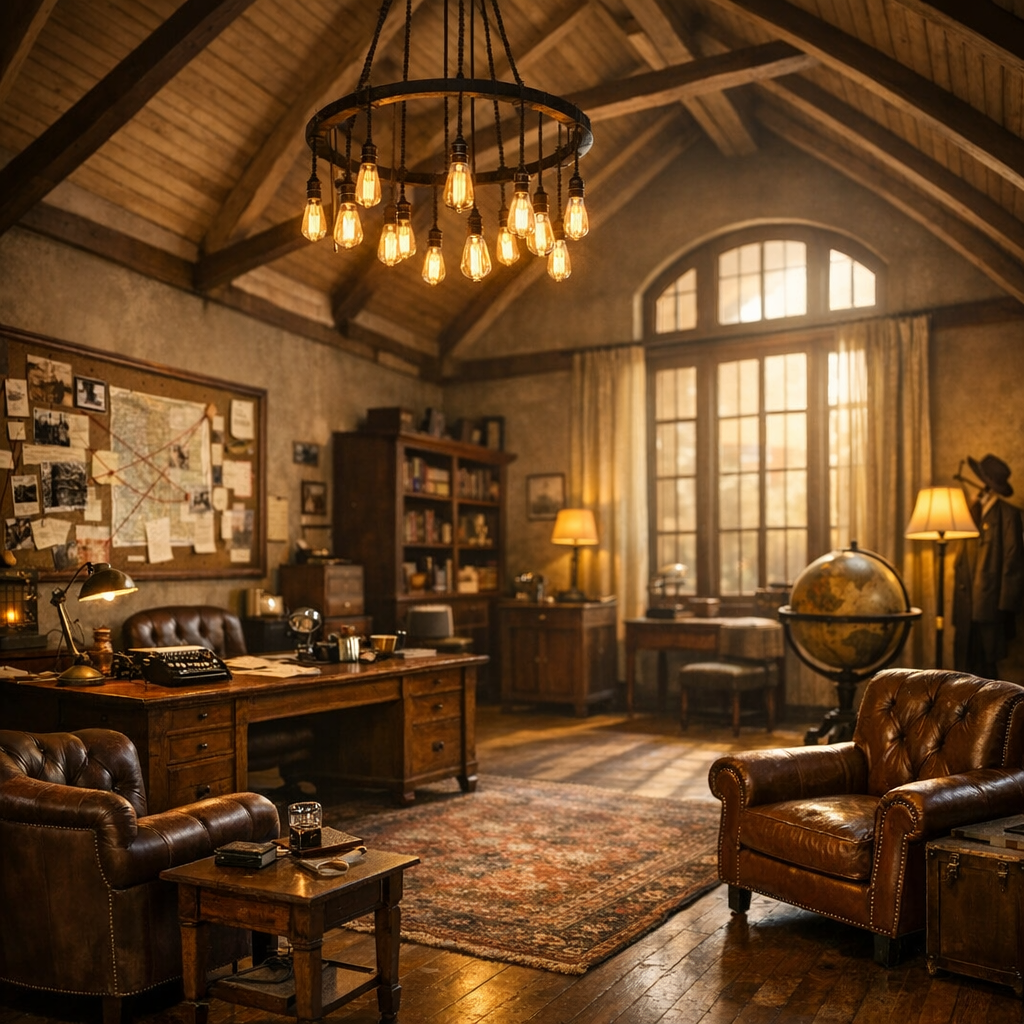
Short answer: most escape rooms are not claustrophobic. You are never actually locked in — every reputable operator has an emergency exit and the game master can release you within seconds. Most rooms are 400–1,000+ sq ft, larger than a hotel room. A few themed rooms (cells, basements, submarines) are intentionally small. This guide breaks down how to tell before you book, plus owner-level honesty about what we run at Infinity Escape.
The “Locked Inside a Tiny Room” Myth
The biggest misconception about escape rooms: that you’re physically locked in a small space and can’t get out without solving the puzzles. Wrong on three counts.
- You’re never locked in. Fire codes require working emergency exits at all times. Any reputable escape room can release you within seconds — usually via the game master pressing a button to unlock the door, or via a clearly marked emergency exit you can walk through yourself. The “escape” in “escape room” refers to completing the mission, not being physically trapped.
- The game master is watching. Every room has a game master observing your group via camera. If anyone shows signs of distress, they intervene immediately — open the door, pause the game, or turn up the lights. Some rooms have a panic button you can press for instant exit.
- Most rooms are larger than you think. Industry standards for a 4–8 player room are 400–1,000+ square feet — bigger than most hotel rooms or studio apartments. You’re not crawling through a cabinet.
How Big Are Escape Rooms, Really?
Sizes vary wildly by operator and theme. Here’s the typical range across the industry:
| Room type | Typical size | Feel |
|---|---|---|
| Single small themed room | 200–300 sq ft | Cozy, can feel tight with 6+ people |
| Standard escape room | 400–700 sq ft | Comfortable for 4–6, no claustrophobia |
| Multi-room experience | 800–1,500 sq ft | Spacious, multiple connected spaces |
| Large group / outdoor | 1,000+ sq ft | No claustrophobia possible |
For reference: a typical hotel room is 300–400 sq ft. A 1-bedroom apartment is 600–800 sq ft. Most escape rooms fall in that range — the same space you sleep in or work from home in, just decorated differently.
The 4 Real Anxiety Triggers in Escape Rooms
If you (or someone in your group) has anxiety, the cause is usually one of these four. Only the first is technically claustrophobia.
1. Confined space (actual claustrophobia)
Smaller themed rooms (cells, basements, submarines, “buried alive” themes) can trigger this. Solution: skip rooms that explicitly market a small-space theme. Most rooms aren’t designed this way.
2. The “I can’t get out” feeling (anticipatory anxiety)
Even if you cognitively know you’re not locked in, the closing door + countdown timer can trigger anxiety. Solution: ask the game master to walk you through the exit before the game starts. Some operators (us included) will show you the emergency button on request.
3. Time pressure
The visible countdown adds adrenaline that some people read as anxiety. Solution: pick a room with a generous time limit (60–75 minutes) and a relaxed pace. Avoid rooms with constant alarm sounds or aggressive countdown effects.
4. Performance anxiety
Worry about looking dumb in front of friends, holding the team back, or being the one who can’t solve a puzzle. Solution: treat it like a group activity, not a competition. Rooms are designed expecting 2–3 hints — using them is normal.
How to Tell If a Room Will Trigger Claustrophobia BEFORE You Book
5-minute due diligence:
- Check Yelp/Google review photos. Customer photos show the actual room. If players look comfortable in wide shots, you’re fine. Wide shots = bigger room.
- Search the operator’s website for “size” or “square footage.” Most don’t list it, but some do. If they describe the room as “compact” or “intimate,” it’s small.
- Read the theme name carefully. “The Cell,” “The Crypt,” “The Dungeon,” “Buried Alive,” “The Submarine” → small by design. “The Cottage,” “The Mansion,” “The Lab,” “The Castle,” “The Heist” → larger.
- Check player capacity. A 2–4 player room is typically smaller. A 6–10 player room has to be larger by necessity.
- Call and ask. The game master will tell you the truth. Operators want claustrophobic players to book the right room or skip it — they don’t want a panicked customer mid-game.
What We Run at Infinity Escape
Honest take from the owner side, since we operate two rooms in Downtown Fullerton:
The Magic Cottage
Family-friendly mystery room. Bright, well-lit, multiple connected spaces inside the cottage. We’ve never had a player exit early due to claustrophobia in years of operation. The main door stays unlocked — you can step out anytime to use the bathroom or take a breather. If you’re anxious about escape rooms in general, this is the room to start with.
The Zombie Lab
Horror-themed, intentionally darker for atmosphere — but still multiple rooms with normal ceiling height. Low-light (not pitch-dark), with sound effects designed for tension. If you’re claustrophobic AND don’t love horror, skip this one — the dim lighting plus theme can amplify anxiety. Magic Cottage is the better pick for anxious players.
Tips for Anxious or Claustrophobic Players
- Tell the game master in the briefing. They’ll show you the exit, the panic button, and answer any concerns. Game masters appreciate anxious players who speak up — it’s the silent ones who panic mid-game that worry them.
- Stand near the exit door for the first 10 minutes. Once you see how the room flows and that you can leave anytime, the anxiety usually subsides.
- Bring trusted people. If you book with friends who’ll watch out for you, the social safety net helps.
- Pick a daytime slot. If late evening + dark theme + crowds makes you nervous, an afternoon mystery room is a different vibe entirely.
- Don’t book a horror room first. Try a puzzle or mystery room first to see how you handle the format. If you’re fine, level up to horror later.
- Practice the 4-7-8 breath. If anxiety hits, inhale 4 seconds, hold 7, exhale 8. Two cycles of this resets the nervous system. Works in escape rooms the same way it works anywhere.
The “I Need to Leave Right Now” Protocol
Every reputable escape room has the same protocol if you need to leave:
- Wave at the camera, say “I need out” out loud, or press the panic button if available.
- Game master unlocks the door (usually within 5–10 seconds — they’re watching).
- You walk out. No judgment, no hassle. Your group can either continue without you or exit too.
- Most operators offer a partial refund or reschedule for a different (calmer) room.
This is a normal procedure. Multiple times per year, a player needs to step out — usually for a phone call, an emergency, a kid’s bathroom break, or yes, anxiety. We treat all of them the same: door opens immediately, no fuss. The number of customers who’ve panic-exited at our rooms in the last 12 months is in the single digits — and every one of them was offered a free reschedule. It’s not a big deal.
Bottom Line
If you (or your nervous friend) is hesitating because of claustrophobia or anxiety, here’s the simple decision tree:
- Picky theme + smaller capacity (2–4 player) + small room? → Skip.
- Mystery/adventure theme + 4–8 player capacity + standard size? → Almost certainly fine.
- Horror theme + low light? → Anxious players should skip. Try a mystery room first.
- Worried about feeling locked in? → Tell the game master before. They’ll address it.
For a calm first-timer experience in Orange County, our Magic Cottage is built for exactly this audience — bright, family-friendly, and we’ve hosted thousands of players including kids, grandparents, and self-described anxious players without incident. Book a daytime slot, tell us your concerns at briefing, and you’ll be fine. Pricing here · book online.
Frequently Asked Questions
Updated April 2026. Based on observations from years of operating escape rooms in Downtown Fullerton, plus consultation with game masters at peer venues.